
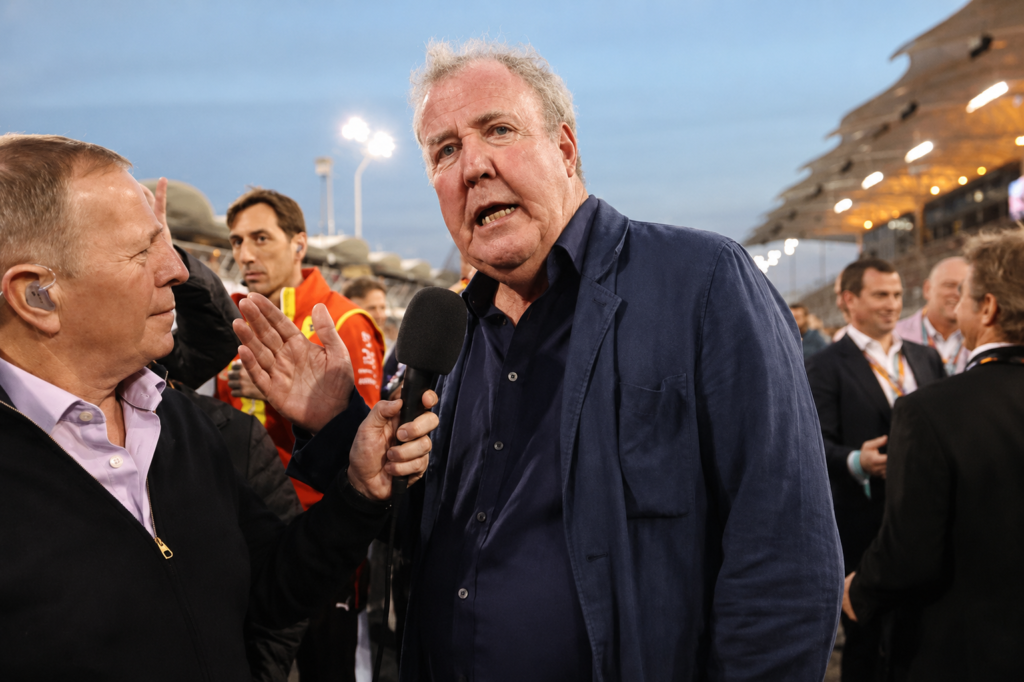
Jeremy Clarkson has spent years waking before sunrise, fighting impossible weather and discovering that a fully harvested field can still produce less profit than an ordinary person might earn by staying at home. His latest attack on young benefit claimants was therefore never going to arrive politely. Clarkson accused able-bodied youngsters of choosing taxpayer-funded inactivity over even part-time work, while millions of others drag themselves out of bed and finance the system through rising taxes. The language was brutal, but behind it sat a question Diddly Squat has made increasingly difficult to ignore: why does hard work sometimes appear to receive the smallest reward?
Clarkson Looked at the Welfare Bill and Saw the Workers Paying It
Clarkson’s anger centred on the growing number of young people outside work, education and training, particularly those he believes have no serious intention of changing their situation. In his description, they sit at home consuming endless short-form entertainment while taxpayers fund a weekly income that can exceed the wages earned by teenagers working part-time in local shops. It was exactly the kind of argument Jeremy delivers with the delicacy of a combine harvester entering a conservatory. He mocked modern diagnoses, attacked what he sees as a culture of excuses and suggested that benefit

recipients should at least thank the people whose wages are taxed to support them. The remarks inevitably risked grouping genuinely disabled or seriously unwell people with those who may be capable of working but choose not to. That distinction matters, because a decent welfare state exists to protect people who cannot simply force their bodies or minds into employment through moral enthusiasm. Clarkson’s real target, however, was not the person who needs help. It was the system he believes rewards withdrawal while demanding ever more from those who remain economically active. To him, the injustice begins at the alarm clock. One person rises in darkness, travels to work, pays tax and watches the cost of food, energy and housing increase. Another, in Clarkson’s telling, declines even a few shifts and may receive more support than the worker takes home. Whether every individual case fits that picture is doubtful, but the resentment it captures is real. Workers do not merely see money leaving their payslips; they see hours of their lives disappearing into a system they increasingly suspect has forgotten the difference between helping someone and abandoning them to dependency.
Read more: https://showscope.truyengi.me/clarksons-meaningful-first-birthday-gift-for-kalebs-youngest/tqh/
Diddly Squat Turned His Anger Into Something Personal
Clarkson’s argument becomes more powerful when placed against the daily reality of Diddly Squat. Farming does not permit anyone to remain in bed because the morning feels difficult. Animals need feeding, crops must be planted within narrow weather windows and machinery waits until the most important day of the year before developing a mechanical problem last seen on a Soviet submarine. Kaleb Cooper can spend hours in a tractor, move directly into another job and still face the possibility that rain will destroy the value of everything he has done. Lisa Hogan manages businesses where a packed shop or pub does not automatically produce a healthy profit, because staffing, electricity, security and regulation consume money with the appetite of livestock discovering an unlocked feed store. Charlie Ireland arrives with figures proving that success has somehow created a new category of financial

danger. Clarkson himself has described working extraordinarily long summer days on unpleasant jobs, only to calculate that harvesting food may be less rewarding than abandoning the work altogether. Diddly Squat therefore embodies the frustration behind his welfare attack. The team does not merely work hard; it works inside a system where effort, risk and reward appear to have stopped recognising one another. A farmer can wake at dawn, gamble hundreds of thousands of pounds on seed, fuel and equipment, survive weather that behaves as though Oxfordshire has offended the heavens, and still finish with a margin thin enough to be frightened by a broken tap. Then comes the tax bill, funding a welfare system that Clarkson believes does too little to separate unavoidable hardship from voluntary idleness. His fury is not simply that money is being spent. It is that the people generating the money often feel punished for continuing to produce it.
The Real Crisis Is a System That Leaves Everyone Feeling Betrayed
The danger in Clarkson’s attack is that anger can easily become cruelty. Not every young person outside work is lazy, and conditions such as ADHD, anxiety, autism or depression cannot be dismissed as fashionable excuses without harming people who genuinely struggle. Some face poor mental-health care, unsuitable schools, limited local employment or a benefits system that offers payment more readily than meaningful support into work. But that does not make Clarkson’s central concern disappear. A welfare state that traps capable young people outside employment is failing them just as surely as it is failing taxpayers. Work offers more than wages: it creates routine, confidence, skills and independence. Leaving someone at home for years with little expectation of progress may appear compassionate in the short term while quietly destroying their future. The solution is not to remove protection from people who need it, nor to pretend every claimant is cheating. It is to rebuild the link between support and movement towards training, treatment,

volunteering or employment whenever realistically possible. That is the larger truth hidden beneath Clarkson’s insults. Britain’s workers are exhausted by being told to contribute more while watching public services weaken and tax burdens rise. Young claimants are often written off rather than properly helped. Farmers are told their work is essential while being paid as though food appears naturally on supermarket shelves. Everyone feels betrayed, and the political system responds with another review thick enough to stop Jeremy’s tractor rolling downhill. Clarkson may express the anger more harshly than most, but Diddly Squat explains why it exists. He, Kaleb and the team continue working through mud, risk and shrinking rewards because people depend on what they produce. Their frustration is not with compassion. It is with a system that sometimes seems more efficient at financing inactivity than making work worthwhile. Until that changes, Clarkson will keep shouting, taxpayers will keep resenting the bill, and the people who genuinely need help will remain trapped inside an argument that was never supposed to be about them.






